Everyone starts strong. New program, new plan, first week flawless. Then somewhere around week three the excitement wears off, life gets in the way, and the sessions start slipping.
That's not a character flaw. Motivation is a feeling, and feelings don't show up on schedule. The people who stay consistent aren't more motivated than you. They built a system that doesn't need motivation.
Here's how to build yours.
1. Decide when you train before the week starts
"I'll go when I get a chance" means you won't. On Sunday, put your sessions in your calendar like appointments: day, time, what you're training. When the time comes there's no decision to make, just a plan to follow.
2. Make the minimum ridiculously small
On the days you really don't want to go, the deal is simple: show up and do the first exercise. That's it. Once you're warm and moving, you'll almost always finish the session. And if you don't, you still kept the habit alive.
3. Never miss twice
Missing one session is life. Missing two in a row is the start of a new habit, the wrong one. If you miss a day, the next planned session is non-negotiable. Don't try to "make it up" with a double session. Just get back on schedule.
4. Track everything
You can't feel progress week to week, but you can see it. Write down:
- Every lift, set and rep
- Your bodyweight and sleep
- A short weekly check-in: what went well, what didn't
When the numbers move, you'll want to protect the streak. Our free 4-week training and macro tracker is built for exactly this: daily logs, weekly check-ins and before-and-after pages.
5. Lower the friction
Every small obstacle is an excuse waiting to happen. Remove them:
- Pack your gym bag the night before
- Keep a set of training clothes ready to grab
- Choose a gym on your route, not across town
- Have the first exercise of the session decided before you walk in
6. Train with a standard, not a mood
"I feel like training" and "I'm someone who trains" lead to very different results. Pick the identity. You don't negotiate with yourself about brushing your teeth, and training can work the same way. It's just what you do.
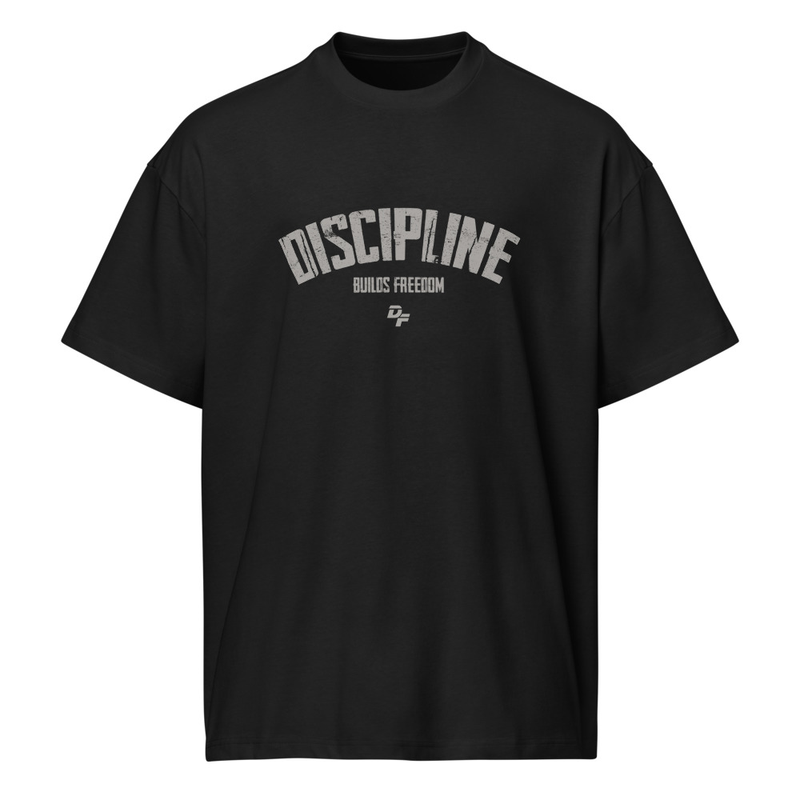
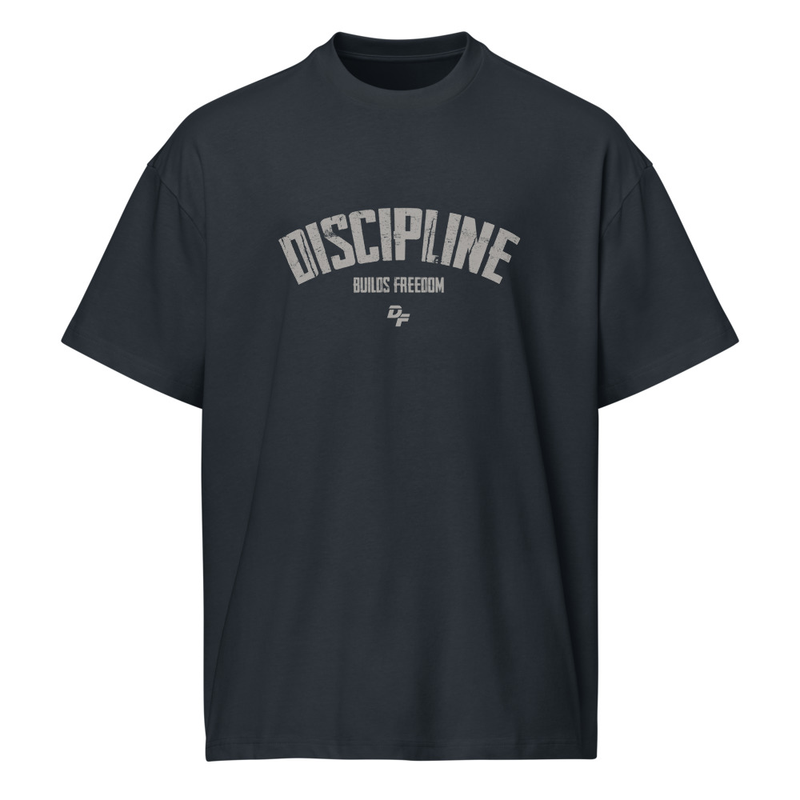
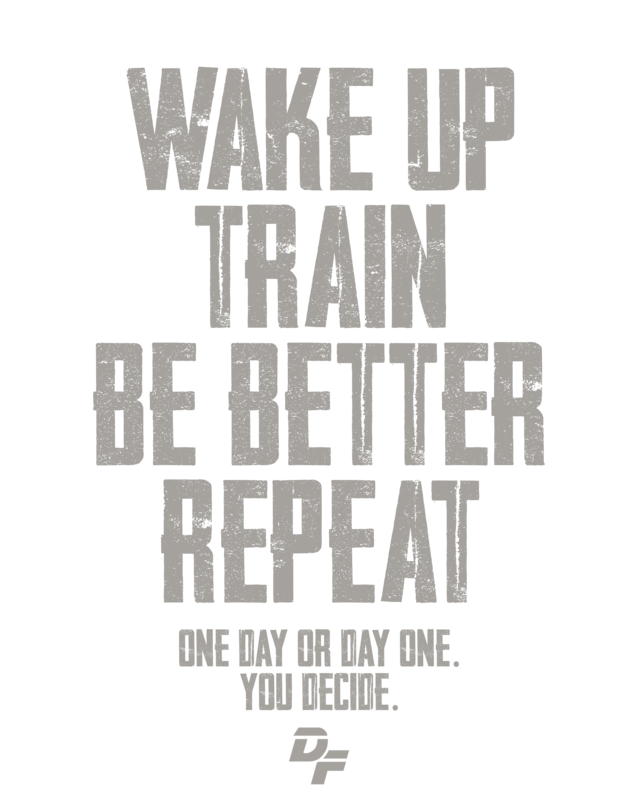
That's the idea behind our Discipline design: motivation quits around week three, discipline doesn't.
7. Plan for the bad weeks
Travel, work crunches, a cold. Something will hit. Have a fallback version of your program ready, like two full-body sessions or a 30-minute minimum, so a rough week becomes a lighter week instead of a lost month.
The bottom line
Consistency isn't built on big days. It's built on the boring ones you show up for anyway. Schedule it, make the minimum small, never miss twice and track your work.
Refuse average. Then do it again tomorrow.
Frequently asked
How many days a week should I train to stay consistent?
Pick a number you can hit every week even when life gets busy, often three or four sessions. A schedule you keep beats an ambitious one you abandon.
What should I do if I miss a workout?
Nothing dramatic. Don't try to make it up by doubling the next session. Just show up for the next planned one. The rule is never miss twice in a row.
How do I track my progress?
Write down your lifts, sets and reps every session, plus a weekly check-in. Seeing numbers move is one of the strongest reasons to keep showing up. Our free 4-week tracker is built for exactly that.
Shop the gear

The 4-Week Training & Macro Tracker
Track your macros, lifts, sleep and bodyweight every day. Check in every week. Refuse average.
Get the free trackerKeep reading
Progressive Overload for Beginners: How to Keep Getting Stronger
Progressive overload means doing a little more over time. Here's the simplest way for beginners to apply it, with a plan you can start this week.

Cotton vs Polyester Gym Shirts: Which Is Better for Lifting?
Cotton is the comfortable default for lifting; polyester wins when sweat is the main problem. Here's how to choose.

Gym Bag Essentials: What Lifters Actually Need to Pack
Skip the gadget lists. These are the eight things a lifter should pack every time, the accessories worth carrying, and a checklist you can copy.