The gym bag essentials are simple: a water bottle, a towel, a change of clothes, a warm layer, your training shoes, headphones, a padlock, and a way to keep sweaty gear away from clean gear. Add lifting accessories like chalk, a belt or straps only if your program actually uses them.
Most "gym bag essentials" lists pad things out with gadgets you'll never touch. This one is built around what a lifter really reaches for, sorted by priority, with a checklist at the end and a few habits that stop your bag from turning into a science experiment.
The core 8: pack these every time
These are the items that cause a bad session, or a bad drive home, when you forget them.
| Item | Why it matters |
|---|---|
| Water bottle | Refill between sets instead of queueing at the fountain |
| Gym towel | Wipe down benches and your own sweat; many gyms require one |
| Training shoes | Flat, stable shoes for lifting if you don't wear them in |
| Warm layer | Warm-ups, long rest periods and cold early-morning gyms |
| Change of clothes | A clean shirt for after, especially if you're heading to work |
| Headphones | Fewer distractions, faster sessions |
| Padlock | For the locker, if your gym has them |
| Separate bag for dirty gear | Keeps sweaty clothes off everything else |
If you only pack these eight, you're covered for almost any session.
The warm layer: the most underrated item
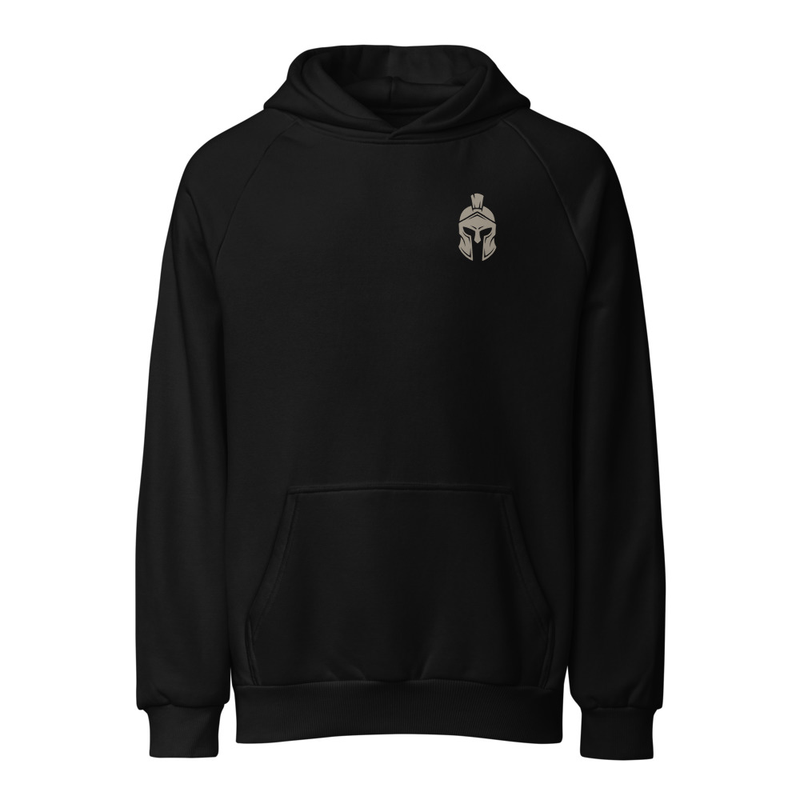
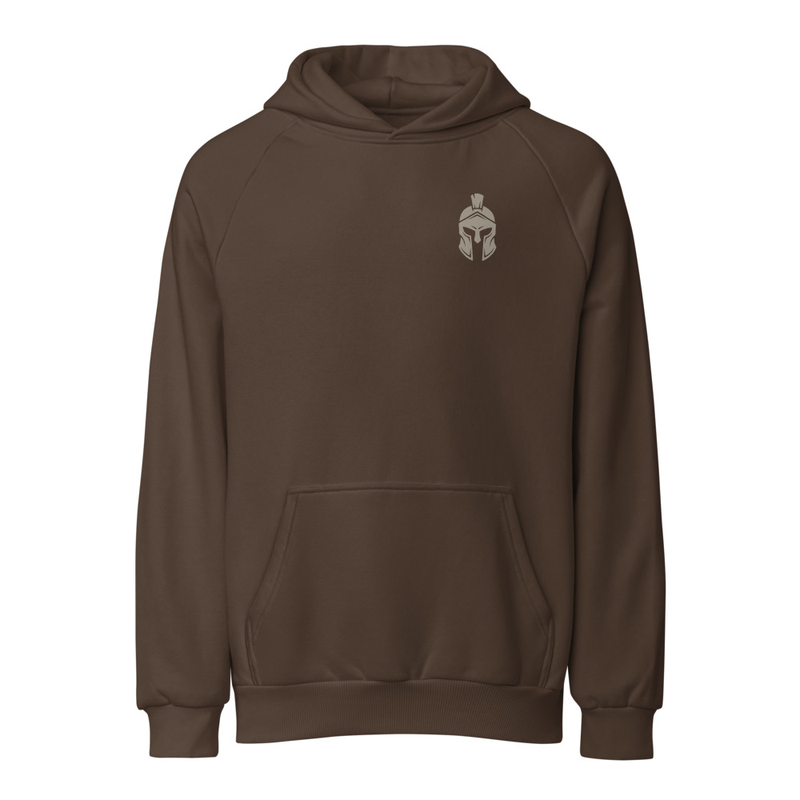
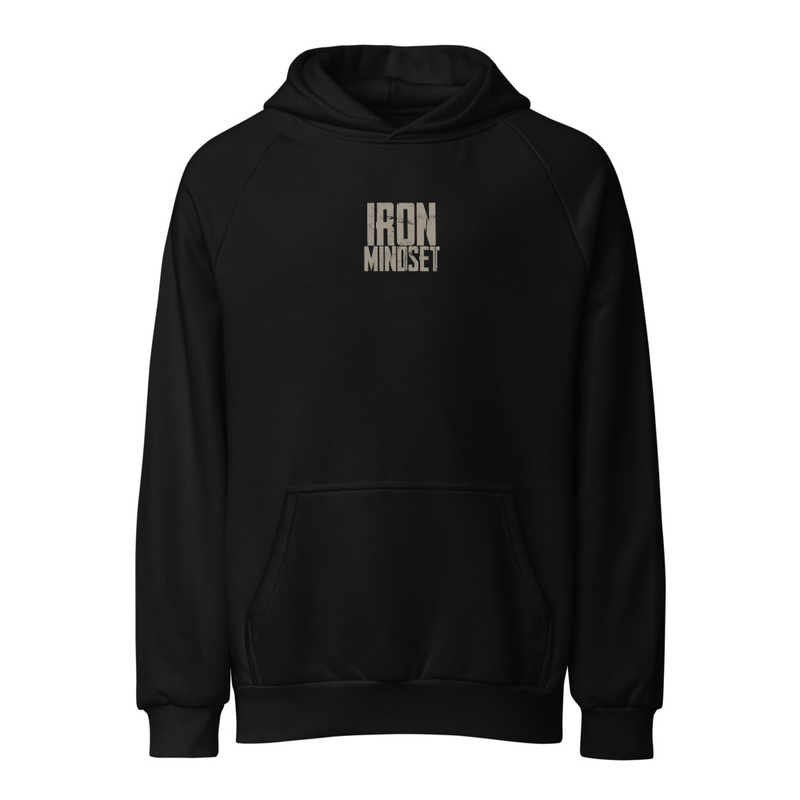
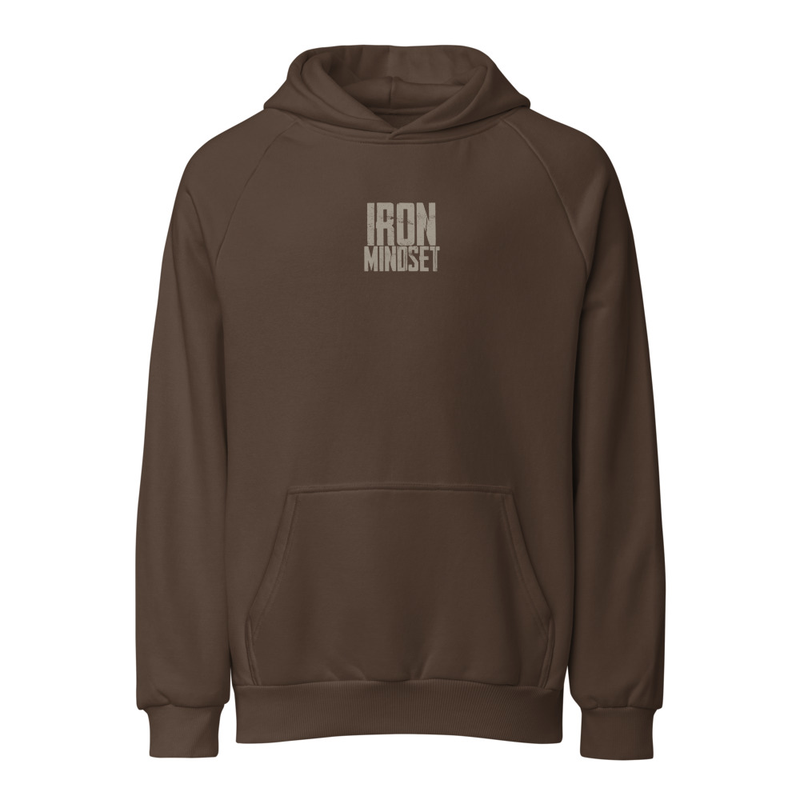
A lot of lifters skip this, then spend the first ten minutes of a session cold and stiff. A heavyweight hoodie solves it: wear it to the gym, keep it on through your warm-up sets, take it off when working sets start, and throw it back on during long rests or for the walk out.
Not sure what makes a good training hoodie? Our guide to the best hoodie for the gym covers weight, fit, hood and pocket.
Training clothes: pack the session, not just a shirt
Pack what the day's session needs:
- Leg day: shorts or joggers you can squat deep in, and long socks for deadlifts (full guide: what to wear to leg day)
- Upper day: a tee that lets you move through your shoulders
- Cardio or conditioning: something light you don't mind soaking
A spare shirt is the cheapest upgrade in this whole list. Train in one, change into a clean one before you leave. A heavyweight boxy tee makes a good "after" shirt because it doesn't cling once you've cooled down.
Lifting accessories: only if you use them
Here's where most gym bags get overstuffed. Pack these if your program calls for them; leave them at home if it doesn't.
Worth packing if you lift heavy
- Lifting belt for heavy squats and deadlifts, if you've learned to brace with one
- Chalk (check your gym allows it) or a small chalk ball
- Lifting straps for heavy pulls when grip gives out before your back does
- Wrist wraps for heavy pressing, if you like the support
Nice to have
- Resistance band for warm-ups
- Small notebook or your phone to log sets
- Spare hair ties
- Lacrosse ball for warm-ups
If you haven't used an item in a month, take it out.
Hygiene and the after-gym kit
If you go straight from the gym to work, school or a night out, these matter:
- Deodorant
- Travel-size body wash and shampoo, if you shower at the gym
- Flip-flops for the shower
- A small hand towel or microfibre towel for after
- Spare socks and underwear
Keep these in a small pouch so you're not digging through the whole bag.
How to stop your gym bag from smelling
A gym bag smells because damp clothes sit in a closed space. Keep it fresh:
- Unpack the bag the day you use it. Not tomorrow. Today.
- Use a separate bag for sweaty gear. A mesh laundry bag or a dedicated wet bag works well.
- Let the bag air out with the zip open once it's empty.
- Wash the bag itself now and then, following the care label.
- Wash your gym clothes properly. Cold water, inside out, no fabric softener on technical fabrics, and air-dry where you can.
We wrote a full guide on how to wash gym clothes so they don't smell if you want the details.
Gym bag checklist
Copy this into your notes app and run through it the night before:
Every session
- Water bottle (filled)
- Towel
- Training shoes
- Hoodie or warm layer
- Training clothes for today's session
- Clean shirt for after
- Headphones (charged)
- Padlock
- Bag for dirty gear
If today's session needs it
- Belt
- Chalk
- Straps or wrist wraps
- Resistance band
If heading somewhere after
- Deodorant
- Toiletries and flip-flops
- Spare socks and underwear
What to leave out
A lighter bag is a bag you'll actually carry. Things that usually don't earn their space:
- Three different shirts "just in case." One to train in, one for after.
- Every accessory you own. Pack for today's session, not every session.
- Valuables you don't need. Leave the watch and spare cards at home if you can.
- Yesterday's sweaty clothes. If they're still in there, see the section above.
Pack it the night before
The biggest benefit of a well-packed bag isn't convenience. It's removing excuses. If your bag is by the door and ready, the decision to train is already made. That's especially true for early-morning sessions, when every extra step is a reason to stay in bed.
The bottom line
You don't need a gadget-filled bag. Pack the core eight every time, add lifting accessories only when your program uses them, keep sweaty gear separate, and unpack the same day.
Plan your sessions in the free training tracker, and shop heavyweight hoodies and tees for the bag →
Frequently asked
What should I always have in my gym bag?
A water bottle, a towel, training shoes, a warm layer, a change of clothes, headphones, a padlock and a separate bag for sweaty gear. Add lifting accessories only if your program uses them.
Do I need a lifting belt in my gym bag?
Only if you lift heavy squats or deadlifts and have learned to brace with one. If your program doesn't call for it, leave it at home and keep the bag light.
How do I stop my gym bag from smelling?
Unpack it the same day, keep sweaty clothes in a separate bag, let the empty bag air out with the zip open, wash the bag now and then following its care label, and wash your gym clothes properly.
Why bring a hoodie to the gym?
A warm layer helps you stay comfortable during warm-ups, long rest periods and cold early-morning sessions. Take it off for working sets and put it back on between sets or for the trip home.
Shop the gear

The 4-Week Training & Macro Tracker
Track your macros, lifts, sleep and bodyweight every day. Check in every week. Refuse average.
Get the free trackerKeep reading
Cotton vs Polyester Gym Shirts: Which Is Better for Lifting?
Cotton is the comfortable default for lifting; polyester wins when sweat is the main problem. Here's how to choose.
What to Wear to Leg Day: Shorts, Shoes and Tops That Actually Work
Leg day is the one session where your clothes can cost you depth and bar position. Here's exactly what to wear, from shorts and tops to shoes and socks.
Best Hoodie for the Gym: What to Look For and How to Wear It
A good gym hoodie keeps you warm through warm-ups without fighting your shoulders on presses and rows. Here's exactly what to look for.