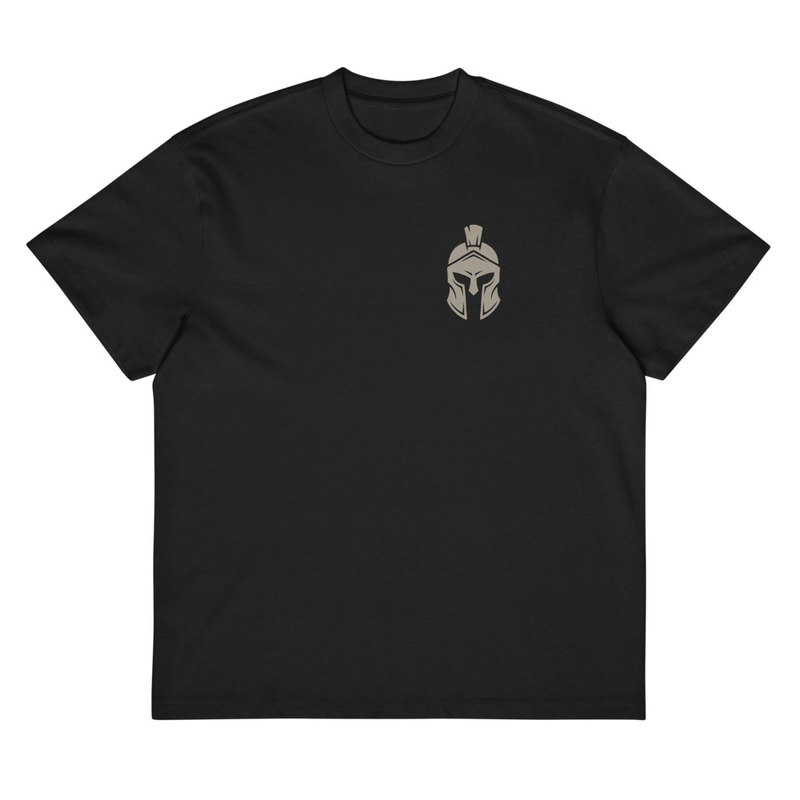
For leg day, wear shorts or joggers that let you squat to full depth without pulling at the knees or hips, a top that stays out of the way when the bar sits on your back, and flat, stable shoes (or no shoes, if your gym allows it). Bring a layer for warm-ups and long rest periods, and skip anything slippery across the upper back.
That's the short answer. The rest of this guide breaks it down piece by piece: what works under a barbell, what to avoid, and how to dress for squats versus deadlifts versus a machine-heavy session.
Why leg day needs a different outfit
Most upper-body sessions are forgiving. You can bench in almost anything. Leg day isn't. You're moving through the deepest ranges of motion in the week, putting a loaded bar across your back, and probably sweating more than on any other day.
Your clothes have three jobs on leg day:
- Don't restrict range of motion. If your shorts pull tight at the bottom of a squat, you'll cut depth without noticing.
- Keep the bar where you put it. A slick, shiny fabric on your upper back gives the bar less to sit on.
- Stay out of your line of sight. Long drawstrings, oversized hoods and loose phone pockets get in the way under a bar or on a machine.
What to wear on your bottom half
This is where leg day is won or lost.
Shorts
Shorts are the most popular choice for a reason: nothing bunches behind the knee, and you can see your knee position in the mirror. Look for:
- An inseam that doesn't ride up into a tight band at the bottom of a squat
- Some stretch in the fabric, or a cut with enough room through the thigh
- A waistband that stays put when you brace
If you wear a lifting belt, check that the waistband doesn't fold awkwardly underneath it.
Joggers and training pants
Joggers work well in a cold gym or for deadlift days, when you want something between your shins and the bar. Pick a pair that's tapered at the ankle (so the fabric doesn't catch your shoelaces) and has enough room in the seat and thigh to squat to depth.
Compression layers
A lot of lifters wear compression shorts or tights under regular shorts. It's a comfort and preference thing, not a requirement. If you like the locked-in feel, wear them. If you don't, you're not missing anything.
What to wear on top
The top is about one thing on squat day: where the bar sits.
A cotton tee is a strong default
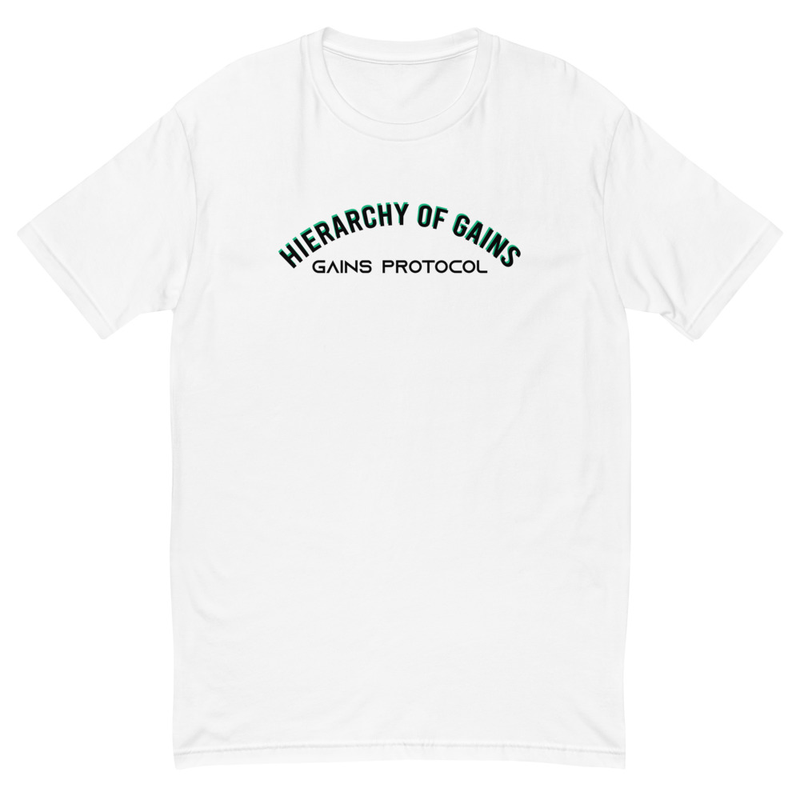
A cotton or cotton-blend tee gives the bar a matte surface to sit on. Heavier cotton tees tend to hold their shape and don't cling when you sweat. A boxy, heavyweight cut also gives you room through the shoulders when you set your grip on the bar.
If you're torn between an oversized fit and something closer to the body, we broke the trade-offs down in boxy vs. fitted gym shirts. The short version: boxy gives room and coverage for warm-ups; fitted lets you check bar position and back tightness in the mirror. Both work for leg day. Want the background on the oversized look? Read what a pump cover is.
What to avoid up top
- Slippery synthetic fabrics right where the bar sits. Some lifters find the bar wants to creep on a shiny back.
- Tank tops with thin straps for low-bar squats. The bar ends up on bare skin and straps, which many people find uncomfortable.
- Hoodies under the bar. A thick hoodie puts a soft, shifting layer between you and the barbell. Wear it for warm-ups, take it off for working sets.
Shoes: flat, stable, or lifting shoes
Footwear matters more on leg day than any other piece of clothing.
| Shoe type | Best for | Watch out for |
|---|---|---|
| Flat, firm-soled trainers | Deadlifts, most squats, general leg work | Worn-out soles that tilt |
| Weightlifting shoes (raised heel) | High-bar and front squats, if you like the extra ankle room | Not ideal for deadlifts |
| Thick, cushioned running shoes | Running | Feel unstable under heavy loads |
| Socks only | Deadlifts, where gyms allow it | Many gyms don't allow it, so check |
There's no single right answer. The common thread is a stable base. If your shoes squish under load, try something flatter and firmer.
Socks and the deadlift question
Deadlifts drag the bar up your shins. Long socks or joggers give a barrier between skin and knurling. It's a small thing, but it makes heavy pulls more comfortable and keeps your shins from taking a beating.
Bring a layer
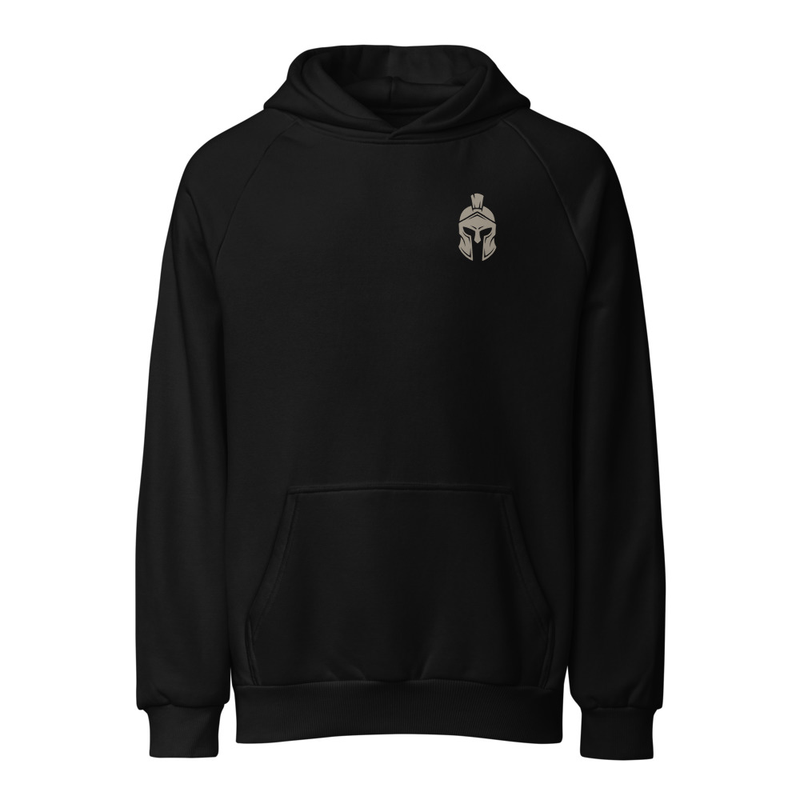
Leg day often means long rest periods between heavy sets, and a warm body moves better than a cold one. A heavyweight hoodie is the easiest fix: wear it in, wear it through your warm-up sets, and pull it off when the working weight comes out. Throw it back on between sets if the gym is cold.
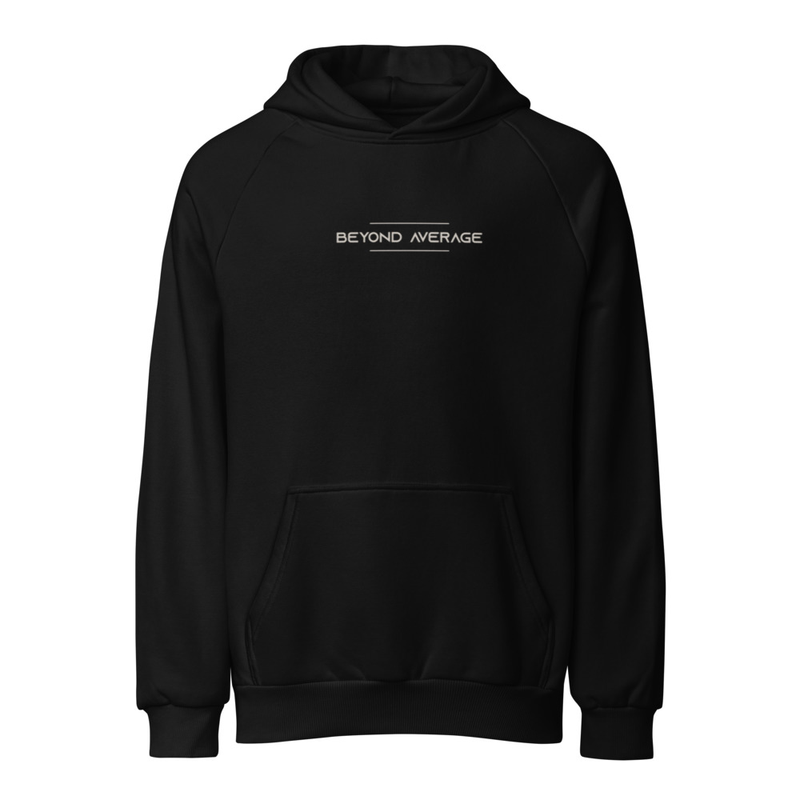
For what to look for in a training hoodie (weight, fit, hood, pocket), see our guide to the best hoodie for the gym.
A simple leg day outfit, by session type
| Session | Bottom | Top | Shoes |
|---|---|---|---|
| Heavy squats | Stretchy shorts | Cotton tee, nothing slippery | Flat trainers or lifting shoes |
| Deadlifts | Joggers or long socks with shorts | Any tee | Flat shoes or socks (if allowed) |
| Machines and accessories | Shorts | Whatever you like | Any stable trainer |
| Cold gym, early morning | Joggers | Tee under a hoodie | Flat trainers |
Common leg day clothing mistakes
- Testing new shorts on a heavy day. Do a few bodyweight squats at home first.
- Wearing the hood up under the bar. It shifts, and it blocks your view of the mirror.
- Running shoes for heavy squats. Soft foam can feel unstable under load.
- Leaving your phone in a loose pocket. It'll fall out on the first hip thrust.
If any movement on leg day causes pain rather than normal effort, stop, reduce the load or swap the exercise, and talk to a qualified professional if it doesn't go away.
Where leg day fits in your week
If you're following our push pull legs split for beginners, leg day is the one session you can't skip, and the one most worth dressing for. Plan the outfit the night before so there's one less excuse in the morning.
The bottom line
Dress for range of motion and a stable bar: shorts or joggers you can squat deep in, a matte cotton tee up top, flat and firm shoes, and a hoodie for warm-ups. Then go do the work.
Log every set in the free training tracker, and shop heavyweight tees and hoodies built for heavy days →
Frequently asked
What should I wear to leg day?
Shorts or joggers you can squat to full depth in, a cotton tee that gives the bar a non-slippery surface, flat and stable shoes, and a hoodie or other layer for warm-ups and long rest periods.
Is it better to wear shorts or joggers on leg day?
Shorts are the most common choice because nothing bunches behind the knee and you can see your knee position. Joggers are a good option in a cold gym or on deadlift days, when you want fabric between your shins and the bar.
What shoes should I wear for squats and deadlifts?
Flat, firm-soled shoes work for most leg training. Some lifters prefer weightlifting shoes with a raised heel for squats. Thick, cushioned running shoes can feel unstable under heavy loads.
Can I squat in a hoodie?
You can warm up in one, but a thick hoodie under the bar adds a soft, shifting layer. Most lifters take it off for working sets and put it back on between sets if the gym is cold.
Shop the gear
The 4-Week Training & Macro Tracker
Track your macros, lifts, sleep and bodyweight every day. Check in every week. Refuse average.
Get the free trackerKeep reading
Cotton vs Polyester Gym Shirts: Which Is Better for Lifting?
Cotton is the comfortable default for lifting; polyester wins when sweat is the main problem. Here's how to choose.
Gym Bag Essentials: What Lifters Actually Need to Pack
Skip the gadget lists. These are the eight things a lifter should pack every time, the accessories worth carrying, and a checklist you can copy.
Best Hoodie for the Gym: What to Look For and How to Wear It
A good gym hoodie keeps you warm through warm-ups without fighting your shoulders on presses and rows. Here's exactly what to look for.