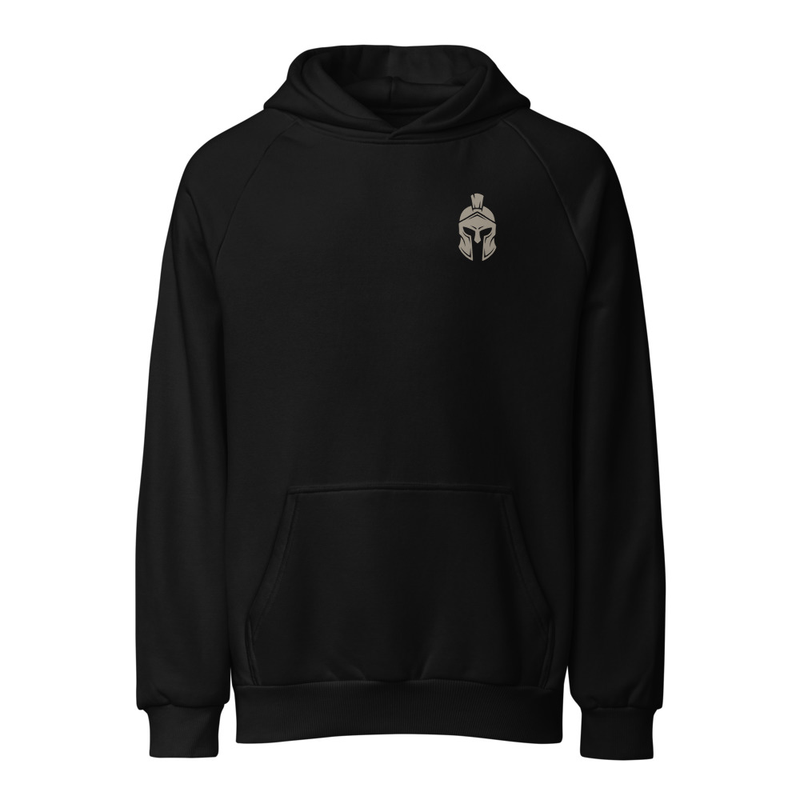
The best hoodie for the gym is a heavyweight, relaxed-fit pullover with a hood that holds its shape and a pocket big enough for your phone and keys. It keeps you warm through warm-ups, doesn't restrict your shoulders when you press or row, and still looks right when you leave the gym.
A thin, tight zip-up is fine for a run. For lifting, you want something with weight and room. Here's how to pick one, what to look for in the fabric and fit, and when to take it off.
What makes a good gym hoodie
Most hoodies are built for lounging. A gym hoodie has a harder job: it has to move with you, stay warm between sets, and survive a lot of washing. These are the things that actually matter.
1. Fabric weight
Heavier fleece holds heat better on cold mornings and drapes instead of clinging. It also keeps its shape after you've pulled it on and off a dozen times in a session. Lightweight hoodies tend to stretch out at the cuffs and hood and start to look tired quickly.
If you see a weight listed in GSM (grams per square metre), higher means thicker fabric. You don't need to chase the biggest number. You want something substantial enough to feel structured, not so stiff it fights you overhead.
2. Fit through the shoulders and arms
This is where most hoodies fail lifters. A slim cut looks fine standing still, then pulls across your back the moment you reach for a bar. An oversized, relaxed fit gives your shoulders and upper back room on presses, pulldowns and rows.
Quick test: put the hoodie on, reach both arms straight overhead, then cross them in front of your chest. If the hem rides up past your waist or the back feels tight, size up or pick a roomier cut.
3. A hood that stays up
A structured hood sits around your head and stays in place between sets. A floppy one collapses and falls back. If you like training with the hood up to stay locked in, this matters more than you'd think.
4. Pullover vs zip-up
| Pullover | Zip-up | |
|---|---|---|
| Warmth | Better (no gap down the front) | Adjustable |
| On/off between sets | Over the head | Faster |
| Bench and floor work | No zipper pressing into you | Zipper can dig in |
| Look | Cleaner, heavier | Sportier |
For lifting, a pullover usually wins. Nothing digs into your chest on bench or floor work, and there's no zipper to catch on a barbell.
5. A real pocket
A kangaroo pocket holds your phone, keys and headphones between sets. Small detail, but you'll use it every session.
Our pick: heavyweight, oversized, built to train in
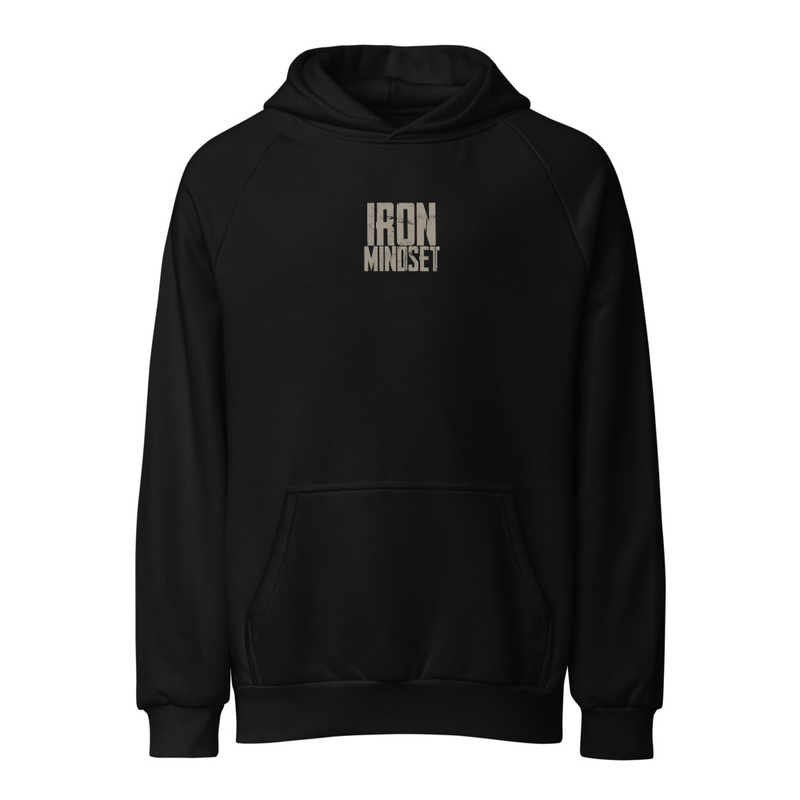
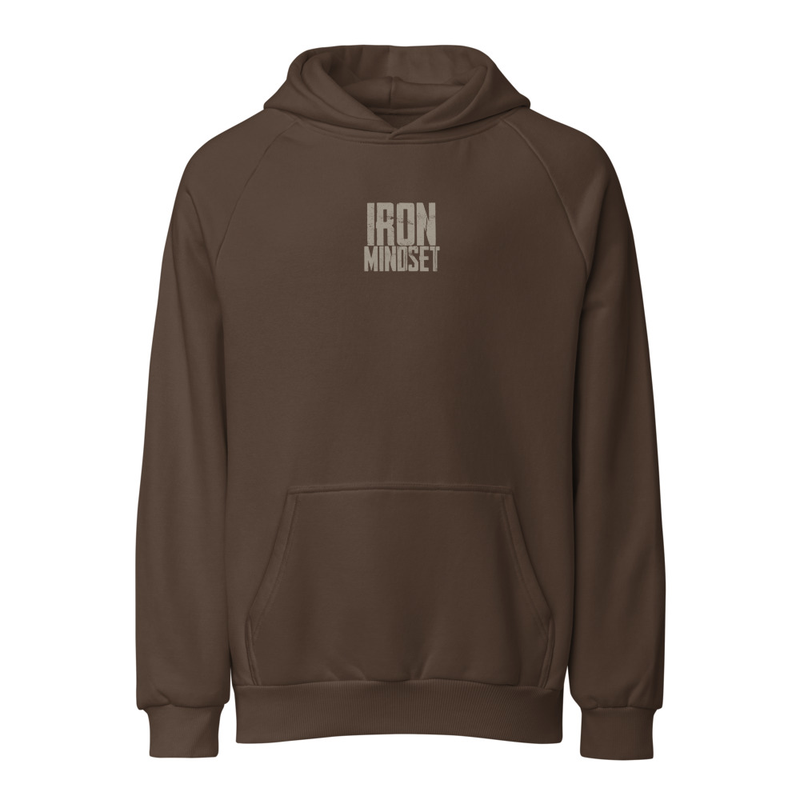
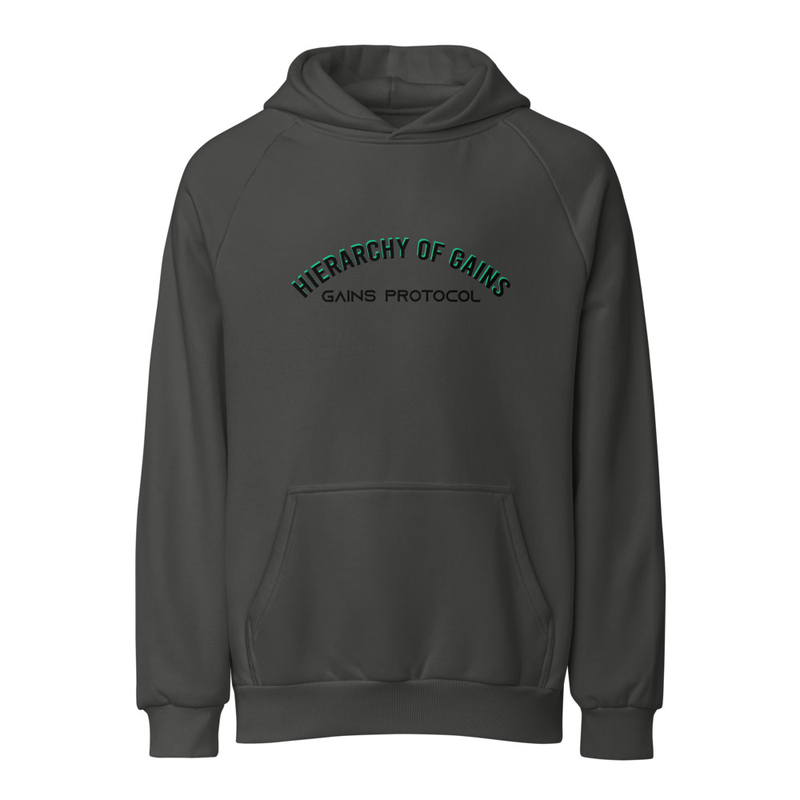
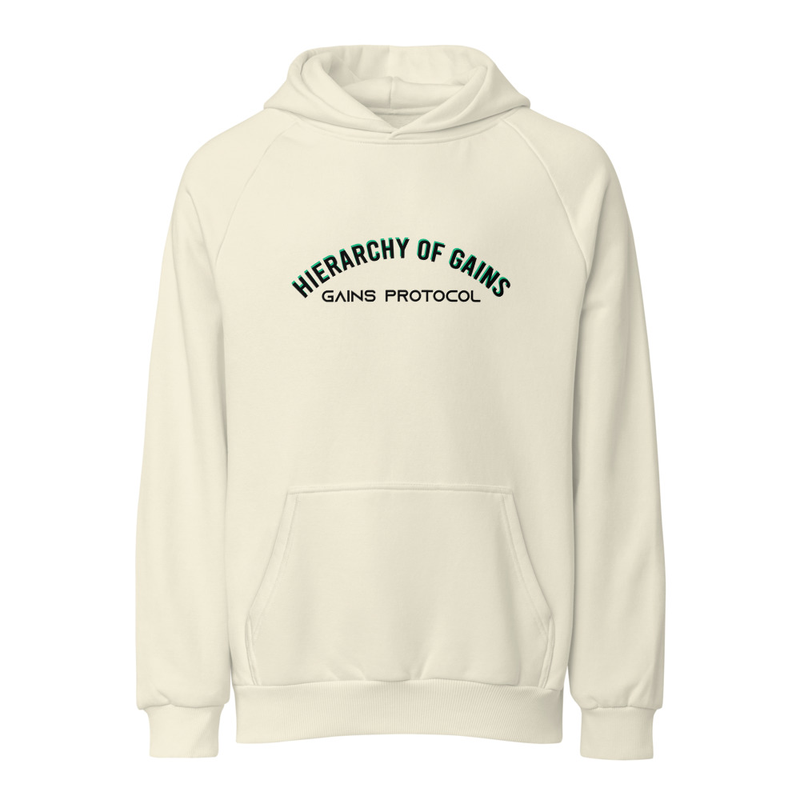
Every Gains Protocol hoodie is built on the Lane Seven LS17001: heavyweight fleece, an oversized relaxed fit, a structured hood and a kangaroo pocket. That covers every point on the list above.
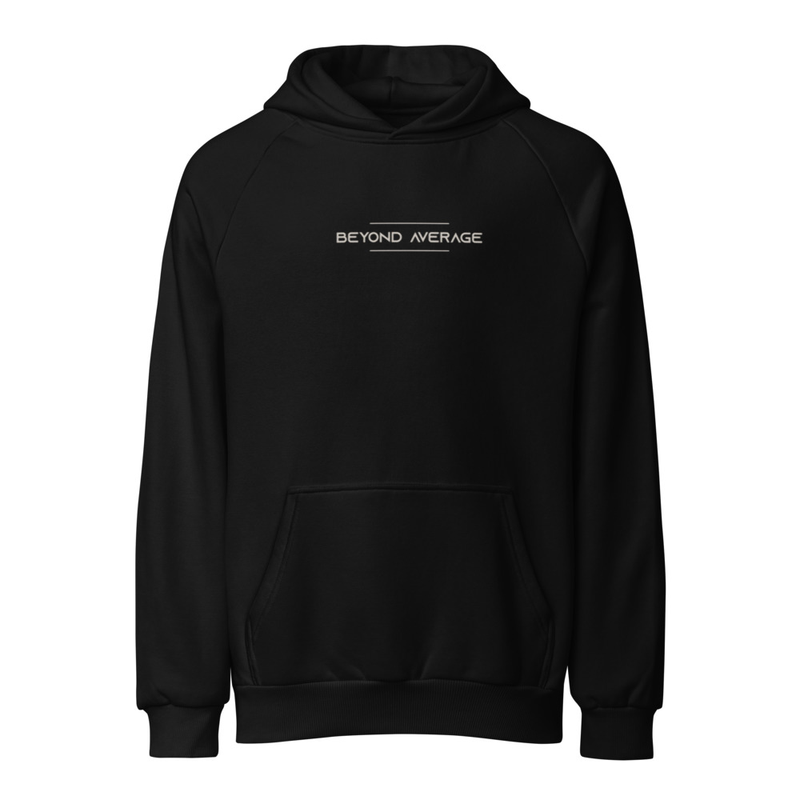
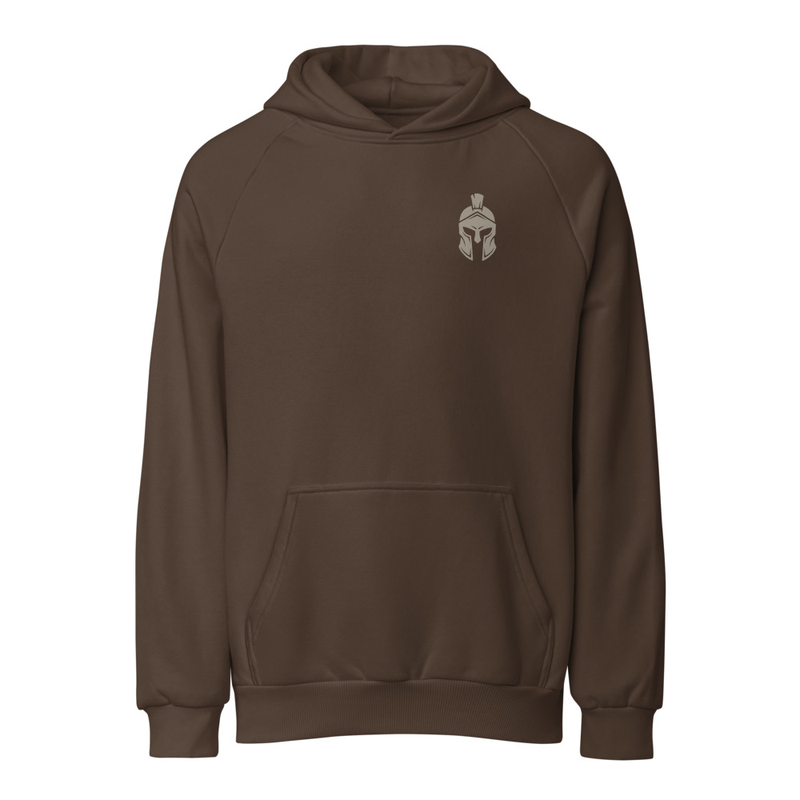
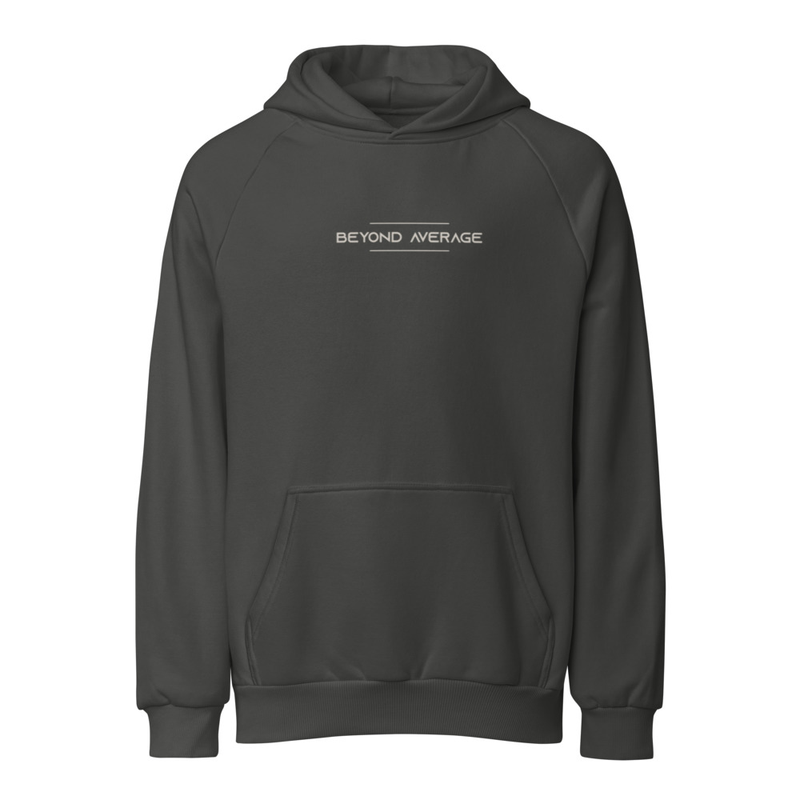
The Archetype Hoodie comes in black, chocolate brown, asphalt and arona, with a front chest hit and the full ARCHETYPE graphic across the back.
How to wear a hoodie in the gym
A hoodie is a warm-up tool, not something you need to suffer through.
- Start in it. Wear it through your warm-up sets on cold days or in a cold gym. It helps you feel loose and ready before the heavy work starts.
- Strip it when you're working hard. Once you're sweating through working sets or conditioning, take it off. Training in heavy layers to "sweat more" doesn't make the workout better and can leave you overheated. Listen to your body.
- Put it back on between exercises if the gym is cold and you've got a few minutes of rest.
- Layer it right. A heavyweight hoodie over a fitted tee is the simplest setup there is. Need help choosing the shirt underneath? Read Boxy vs. Fitted Gym Shirts.
Hoodie vs pump cover: which do you need?
They do different jobs, and plenty of lifters own both.
- Hoodie: cold mornings, warm-ups, winter training, wearing to and from the gym.
- Pump cover: a heavyweight boxy tee that gives you a loose, relaxed fit without the warmth of fleece. Better for most of the year. New to the term? Here's what a pump cover is.
A good rotation is one hoodie for the cold months and two or three heavyweight tees for everything else.
How to make your hoodie last
Heavyweight fleece lasts a long time if you treat it right:
- Wash it inside out to protect the print.
- Use cold water and a gentle cycle.
- Skip fabric softener. It can coat the fibres and hold onto odour.
- Air dry or tumble dry low. High heat is the fastest way to shrink cotton fleece and crack a print.
- Don't leave it balled up in your gym bag. Hang it to dry before it goes in the hamper.
Choosing the right size
With an oversized cut, start with your normal size. That's what gives you the relaxed drape. Only size up if you want an extra-baggy look or you're between sizes with a broad back. Our hoodies come in XS through XXL.
The bottom line
The best gym hoodie is the one you'll actually train in: heavy enough to keep you warm, roomy enough to press and pull in, and tough enough to survive the wash every week. Get the fit right and you'll forget you're wearing it, which is the point.
Ready to upgrade your cold-weather training gear? Shop hoodies and heavyweight tees →
Related: What to Wear to the Gym in Winter: Layers That Work for Lifting
Frequently asked
What is the best hoodie for lifting weights?
A heavyweight pullover with an oversized, relaxed fit. It keeps you warm through warm-ups and gives your shoulders and back room on presses, pulldowns and rows.
Should I wear a hoodie while working out?
Wear it for warm-ups or in a cold gym, then take it off once you're working hard and sweating. Training in heavy layers doesn't make a workout more effective and can leave you overheated.
Pullover or zip-up hoodie for the gym?
For lifting, a pullover usually wins: it's warmer, and there's no zipper to dig into your chest on bench or catch on a barbell. A zip-up is quicker to take on and off.
Should I size up in an oversized hoodie?
Start with your normal size, since the cut is already relaxed. Size up only if you want an extra-baggy look or you're between sizes with a broad back.
Shop the gear
The 4-Week Training & Macro Tracker
Track your macros, lifts, sleep and bodyweight every day. Check in every week. Refuse average.
Get the free trackerKeep reading
Cotton vs Polyester Gym Shirts: Which Is Better for Lifting?
Cotton is the comfortable default for lifting; polyester wins when sweat is the main problem. Here's how to choose.
Gym Bag Essentials: What Lifters Actually Need to Pack
Skip the gadget lists. These are the eight things a lifter should pack every time, the accessories worth carrying, and a checklist you can copy.
What to Wear to Leg Day: Shorts, Shoes and Tops That Actually Work
Leg day is the one session where your clothes can cost you depth and bar position. Here's exactly what to wear, from shorts and tops to shoes and socks.