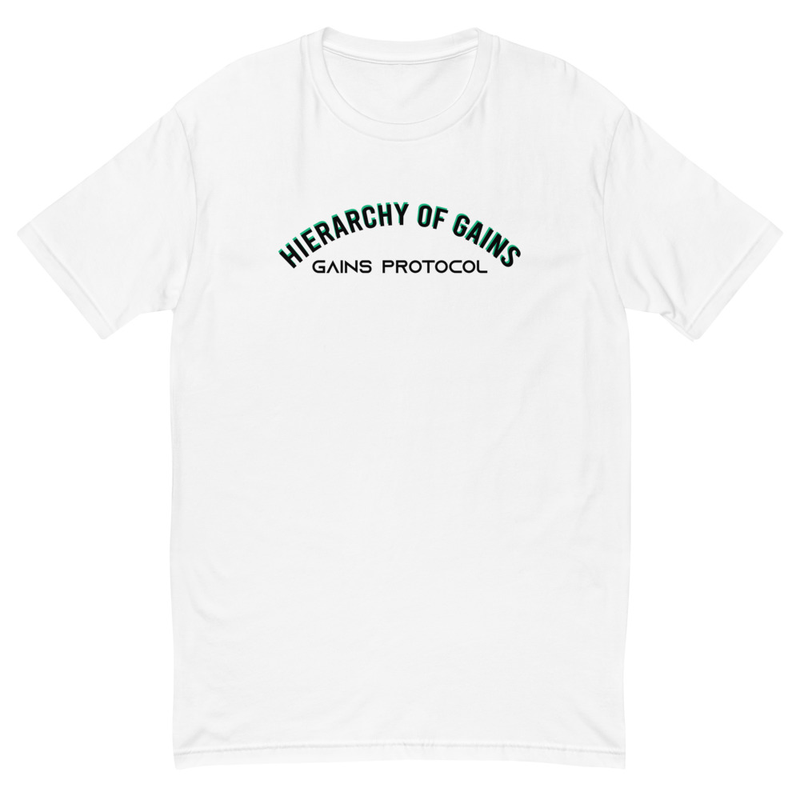
For most lifting, cotton is the better gym shirt: it's soft, it doesn't cling, it holds up wash after wash and it looks like a normal T-shirt when you leave. Polyester wins when you sweat a lot, because it pulls moisture off your skin and dries faster, which is why it's the default for running, conditioning and hot-weather sessions.
So the real question isn't which fabric is "best". It's what kind of training you do, how much you sweat and how you want the shirt to fit. Here's how the two compare, where blends fit in, and how to pick.
Cotton vs polyester at a glance
| Cotton | Polyester | |
|---|---|---|
| Feel | Soft, natural, breathable | Smooth, slick, lightweight |
| Sweat | Absorbs it and holds it | Wicks it to the surface to evaporate |
| Drying time | Slower | Faster |
| Odor | Washes out easily | Can hang onto odor more for many people |
| Stretch | Moderate (jersey knit) | Often blended with spandex for stretch |
| Durability | Gets softer with washing | Resists shrinking and fading |
| Look | Classic tee, works outside the gym | Athletic, often shiny or technical |
| Best for | Strength training, lifting, everyday wear | Cardio, HIIT, hot gyms, outdoor runs |
Why lifters keep choosing cotton
Strength training is mostly short efforts with rest in between. You're not usually drenched the way you are after a 5-mile run, so the main downside of cotton (it holds sweat) matters less.
What you get in return:
- Comfort under a bar. Cotton feels soft on your skin and doesn't slide around on your back during squats the way a slick synthetic can.
- A shape that stays put. A cotton jersey tee drapes rather than clings, so it reads as a T-shirt, not a compression top.
- Easier to keep fresh. Many lifters find cotton shirts come out of the wash smelling clean, while synthetics can hold onto odor over time. If that's been a problem for you, see our guide on how to wash gym clothes so they don't smell.
- One shirt, whole day. A good cotton tee goes from the gym to errands without looking like workout gear.
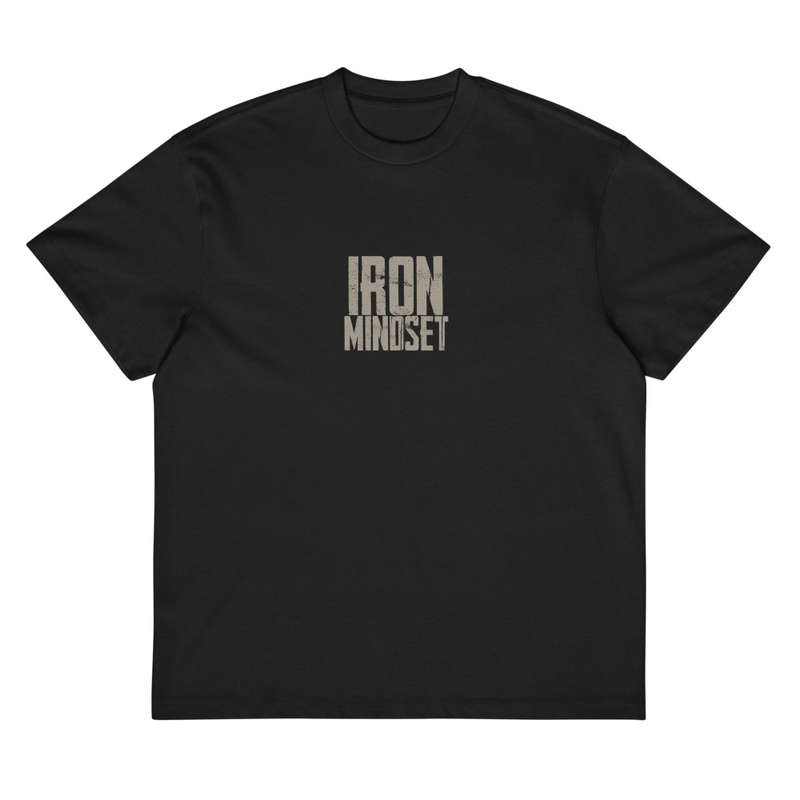
Our fitted tees are cut on the Next Level 3600, which the manufacturer lists as 100% combed ring-spun cotton at 4.3 oz (the Heather Grey colorway is a 90% cotton / 10% polyester blend). That's a light, soft cotton that works well for lifting days.
When polyester makes more sense
Polyester and other synthetics are built for sweat. The fibers don't absorb much water, so moisture moves to the surface and evaporates instead of soaking the shirt. That's a real advantage when:
- You do a lot of conditioning, circuits or HIIT.
- You train in a hot or poorly ventilated gym, or outdoors in summer.
- You run before or after lifting and want one shirt for both.
- You hate the feel of a heavy, damp shirt late in a session.
The trade-offs: many people find synthetics hold odor more, some have a shiny "athletic" look you might not want outside the gym, and thin performance fabric can show every sweat line.
What about blends?
Cotton/poly blends (and tri-blends with rayon) sit in the middle. They're usually a little lighter and quicker to dry than pure cotton, with a softer hand than pure polyester. Heather colors are often blends because mixing fibers creates that speckled look.
A blend is a good pick if you want a tee that feels like cotton but handles a sweatier session a bit better. Just check the label: "performance" doesn't always mean what you expect.
Weight and fit matter as much as fabric
Fabric is only part of it. Two cotton tees can feel completely different depending on weight and cut.
Light, fitted cotton
A lighter, fitted tee breathes well, moves with you on presses and pulls, and shows the work you've put in. It's the easy pick for warmer sessions and everyday wear.
Heavyweight, boxy cotton
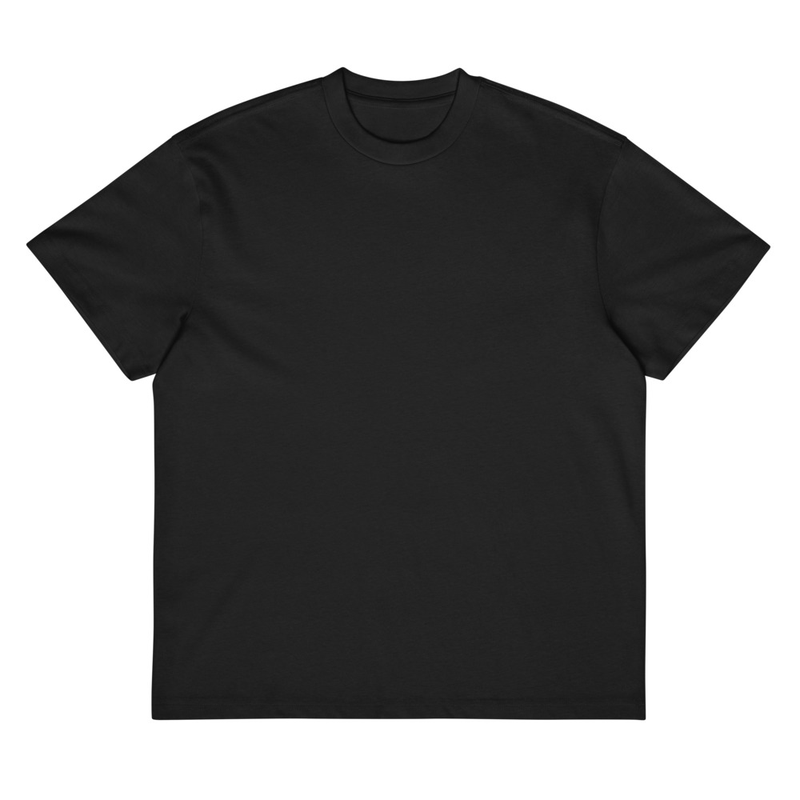
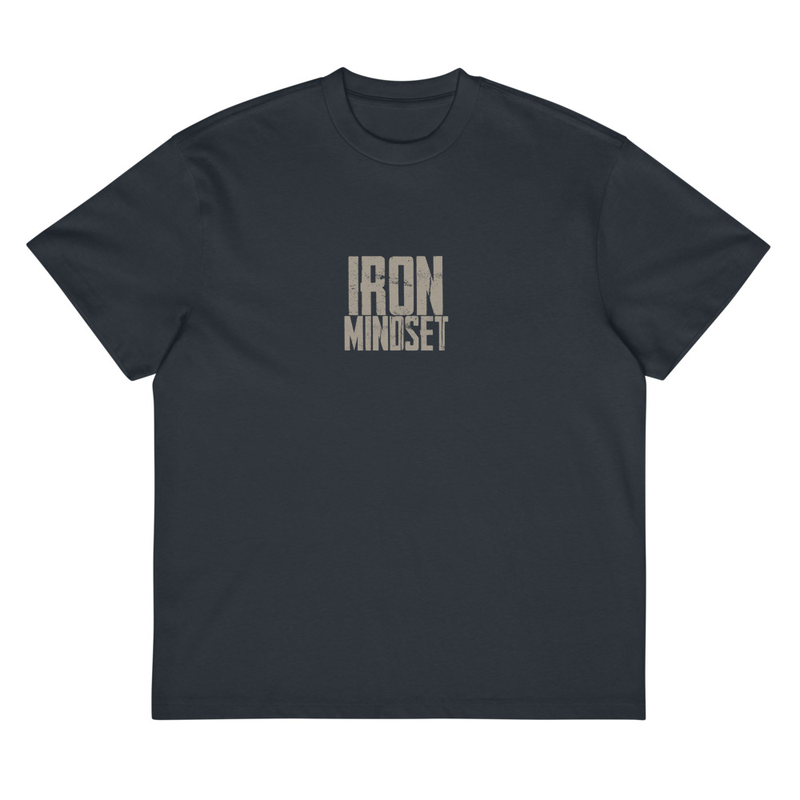
A heavyweight boxy tee (the "pump cover" style) has a thicker fabric and a square cut that drops straight from the shoulders. It hides the sweat a light tee shows, keeps you warmer through warm-ups and gives your shoulders and back extra room. Our pump covers are cut on the Cotton Heritage MC1087 heavyweight box tee.
If you're stuck between the two cuts, our breakdown of boxy vs fitted gym shirts walks through who each one suits.

How to choose: a quick checklist
Ask yourself these four questions:
- What do I mostly do? Heavy lifting with rest periods → cotton. Lots of cardio or circuits → polyester or a blend.
- How hot is my gym? Cool or air-conditioned → cotton is comfortable. Hot and humid → lean synthetic or a light blend.
- Do I wear it after training? If yes, cotton looks more like everyday clothing.
- How do I want it to fit? Fitted and light, or heavy and boxy? Pick the cut first, then the fabric.
Plenty of lifters own both: cotton tees for lifting days, a couple of synthetic shirts for conditioning or summer.
Care tips for each
- Cotton: wash cold, turn graphic tees inside out, and air dry or tumble low to limit shrinking. Expect a little shrinkage on the first wash if the tee isn't pre-shrunk.
- Polyester: wash soon after training rather than leaving it in a bag, skip fabric softener (it can coat the fibers), and air dry.
- Both: don't leave sweaty clothes balled up. Hang them to dry before they go in the hamper.
The bottom line
For lifting, cotton is the comfortable, durable, good-looking default. Polyester earns its place when sweat is the main problem. Choose based on how you train, then pick the weight and cut you'll actually want to wear every session.
Find your next training tee: shop fitted tees, pump covers and hoodies →
Frequently asked
Is cotton or polyester better for lifting weights?
For most strength training, cotton is the comfortable default: it's soft, doesn't cling and holds up well. Polyester is better if you sweat heavily or do a lot of conditioning, because it wicks moisture and dries faster.
Why do polyester gym shirts smell more?
Many people find synthetic fabrics hold onto body odor more than cotton over time. Washing soon after training, skipping fabric softener and air drying all help.
Are cotton blend shirts good for the gym?
Yes. Cotton/poly blends sit in the middle: they feel close to cotton but are usually a little lighter and quicker to dry, which suits sweatier sessions.
Is a heavyweight cotton tee too hot for the gym?
It depends on your gym. A heavyweight boxy tee is great for cooler gyms and warm-ups and hides sweat well; in a hot gym a lighter fitted tee is usually more comfortable.
Shop the gear
The 4-Week Training & Macro Tracker
Track your macros, lifts, sleep and bodyweight every day. Check in every week. Refuse average.
Get the free trackerKeep reading
Gym Bag Essentials: What Lifters Actually Need to Pack
Skip the gadget lists. These are the eight things a lifter should pack every time, the accessories worth carrying, and a checklist you can copy.
What to Wear to Leg Day: Shorts, Shoes and Tops That Actually Work
Leg day is the one session where your clothes can cost you depth and bar position. Here's exactly what to wear, from shorts and tops to shoes and socks.
Best Hoodie for the Gym: What to Look For and How to Wear It
A good gym hoodie keeps you warm through warm-ups without fighting your shoulders on presses and rows. Here's exactly what to look for.